
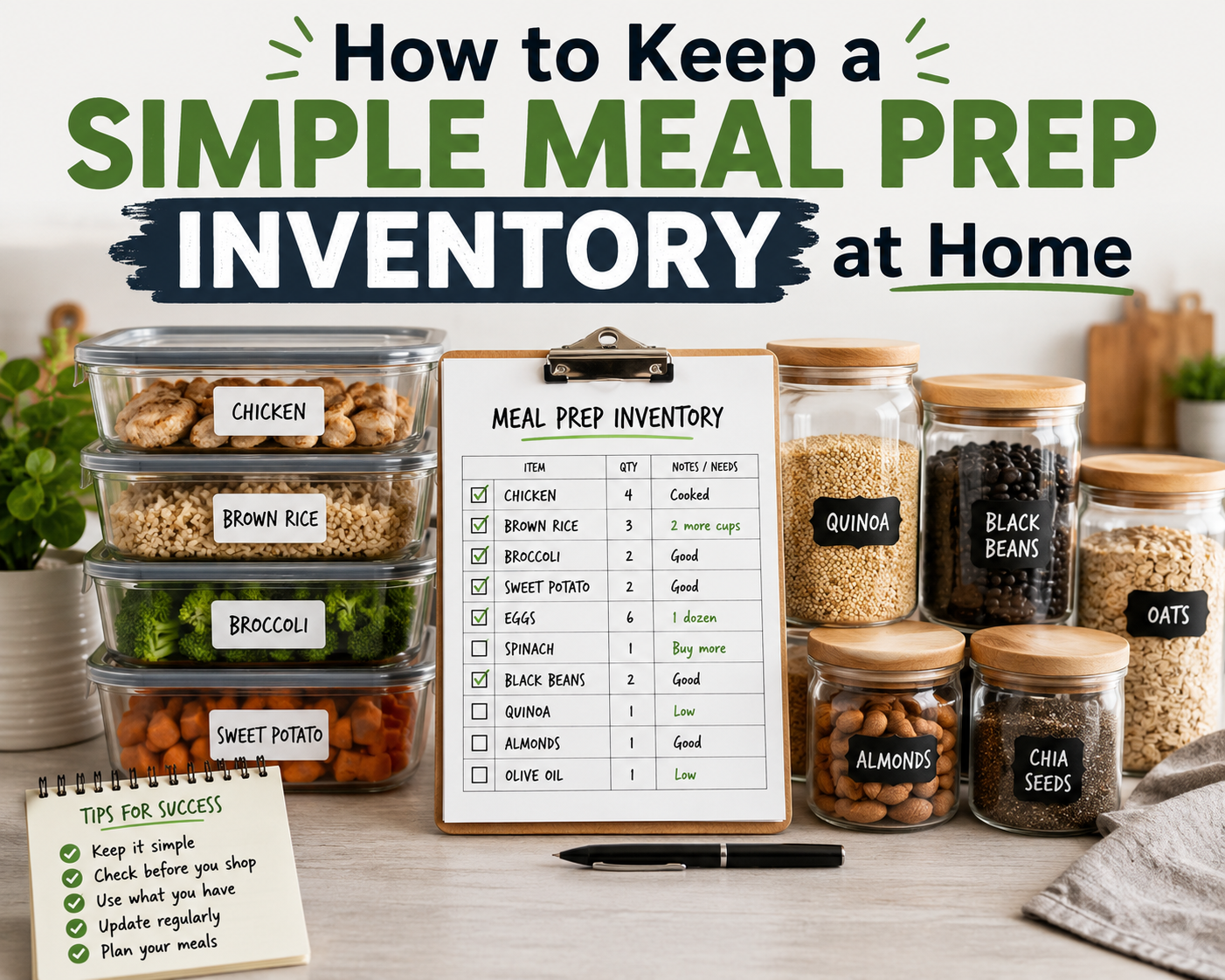
After a busy day, you open the fridge; you want something to eat quickly. You push open a bag of frozen peas and find three identical plastic containers hidden inside. They aren’t labelled, so you have no idea if they contain leftover bell peppers, pasta sauce, or pulled pork from last month. Exhausted and frustrated, you close the fridge and order takeout. We all know this kitchen disaster. Spending hours cooking and portioning because you can’t remember what you made, only to watch it slowly freeze, leaving you feeling isolated.
The Forgotten Freezer Chaos
Before we set up a new system, we need to understand why our habits fail. Many home cooks treat their fridge and freezer as black holes. We put food in them, hoping that we will remember later what they were and when we will eat them. Unfortunately, human memory is flawed, especially when we use the same glass or plastic containers. Frozen lentil soup looks like beef stew.
Disorganisation is exhausting. Preparing dinner for the family every evening at 5:00 PM is exhausting. It is incredibly annoying when you have to painstakingly search through refrigerator drawers for the right food. You always end up with the same three basic dishes, or you waste money at restaurants. A chaotic approach to cooking also leads to a lot of food waste. Spending hours preparing meals is not only frustrating but also costs you a lot of money. By writing down every meal, you reduce the daily hassle. Sitting on the couch, you can see at a glance that you still need to defrost three lasagne sheets. This simplifies your evening preparations. A simple inventory list can turn your refrigerator into a well-organised personal supermarket.
Choosing a Method for Inventory Management
Overly complex tools pose the biggest problem when it comes to kitchen inventory management. They use complicated barcode scanners or create huge spreadsheets to track ingredient weights. These technologies work well for restaurants but are too time-consuming for home cooks. If your system takes more than 30 seconds to update, you will give up by Tuesday.
I highly recommend simulating inventory management. A simple magnetic whiteboard on the front of the fridge works best. You cannot ignore the list on the fridge. You can see which ingredients you have in the house without having to use your phone or laptop. A paper whiteboard on the inside of the pantry door also works. Ideally, it should be clear and clearly visible.
If you absolutely want to use electronic devices, try a simple note-taking app on your phone. Make a short list of the contents of your fridge and freezer. Electronic devices come in handy when you are running through the aisles in the supermarket trying to remember if you still have any frozen chicken breast at home. Just make sure you stick strictly to your method. If you note down half of your meals on paper and the other half with an app, the chaos you are trying to avoid will return.
Set up Your First Simple Inventory System
Before starting a new system, you must first take stock of your existing inventory. Take an hour this weekend to empty your fridge and freezer. Wipe down the shelves, remove spoilt food, and throw away all frozen products. A messy kitchen makes it difficult to maintain effective inventory records. After cleaning your fridge and freezer, sort and organise the leftover food.
Divide your whiteboard or a sheet of paper into three sections. The first section is for ready-to-eat prepared food, such as pre-portioned lunches, frozen casseroles, and leftover soup. The second section is for cooked food, such as chicken strips, cooked brown rice, and roasted vegetables. The third section is for raw food, such as raw steak, frozen vegetables, and cheese cubes for later use.
Write the names and quantities of the products on the list. For example, instead of “chilli peppers”, write “chilli peppers (4 servings)”. After every portion, cross out 4 portions and write 3 portions. This master list does not need to contain dates, as dates make the whiteboard cluttered. The dates should be written on the food packaging. This simple structure gives you a clear overview of your kitchen.
Develop a Habit to Prevent Burnout
Making an inventory list is rewarding, but for most people, it is difficult to stick to it. The “one in, one out” principle is the golden rule for kitchen management. Update the list immediately after every contact with food. Grab the whiteboard marker immediately after freezing the meatballs. Do not promise to do it later. Because “later” is often difficult to stick to, and the system grinds to a halt.
Cross it off the list immediately after taking pasta out of the fridge for lunch. By linking updating the list to opening the fridge door, you create a good habit. Numbers on the whiteboard can be changed in just three seconds. Three seconds can save you twenty minutes of searching through the fridge for the rest of the week.
A quick evaluation on Sunday ensures the system functions correctly. Take two minutes on Sunday morning to compare the list on the whiteboard with the list in the fridge before you make your weekly grocery list. Sometimes we forget to remove certain items from the list, or family members eat ready-made meals without updating the list. A quick weekly check can bring minor problems to light in time and prevent the list from getting completely off track. It also shows which foods we should be eating more of this week.
Keeping Track of Food Safety and Expiration Dates
Besides convenience, a good storage system is crucial for the family’s food safety. Relying solely on smell to determine food safety is dangerous. Bacteria that cause serious food poisoning rarely change the smell or taste of food. To protect your family’s health, you must keep track of how long food has been stored in the fridge.
Next, it is useful to label items. Keep a roll of regular masking tape and a black marker in your kitchen drawer, near the storage containers. Whenever you put food in a container, remove the tape and write down the contents and the preparation date. The masking tape sticks well in the freezer but can easily be removed before washing the containers.
You can easily apply the FIFO (First-In, First-Out) principle by labelling the packages with the correct dates. If you have two portions of cooked quinoa in your cupboard, choose the portion that was stored first. By giving priority to older products, you prevent spoilage. Fully cooked food must be consumed within four days of refrigeration or within three months of freezing.
Final Tips for Organizing Your Kitchen
Managing your home food preparation does not require a cooking degree or hours of data entry. All you need is a proven workflow and some tape. A clear, easy-to-understand, and efficient method for inventory management gives you complete control over your kitchen. You will no longer waste money on duplicate ingredients or throw away food that could spoil at any moment. By following this simple strategy, you will be free from daily planning problems and have more time, energy, and delicious meals left over.
FAQs
1. How often should I update my food inventory?
It is recommended to update your inventory regularly. The best approach is to update the list immediately after you have added new ingredients or used them up. Delayed updates can lead to forgetfulness and reduced system accuracy.
2. How do I label food preparation containers?
For a home kitchen, tape and markers are the best options. Tape adheres well at low temperatures and is easy to remove for washing. Don’t forget to label the plates with the name and preparation date.
3. How long does frozen food keep?
Most cooked dishes can be kept fresh for up to three months in an airtight container in a standard freezer. They are usually still safe to eat after that, but freezing and loss of quality can occur.
4. Should I use an app or a paper list to take stock of my kitchen supplies?
Most home cooks prefer paper lists or a magnetic whiteboard in the fridge. Paper lists can be viewed without unlocking your phone or browsing through electronic menus. Choose the method that is most convenient for your daily routine.

Hannah is a home and kitchen writer who focuses on practical cooking, meal prep, food storage, appliance care, and everyday kitchen organization. She enjoys sharing realistic tips that help make busy home routines feel simpler and less stressful. Through experience-based articles and easy-to-follow advice, Hannah aims to help readers save time, reduce food waste, organize their kitchens more efficiently, and feel more confident managing daily cooking and household tasks.