Have you ever stood in front of the kitchen, baffled by the dates on food packaging? You are not alone. The difference between “best before” and “expiration date” can be tricky. Many perfectly fresh products are thrown away simply because these markings are missing. But what do they actually mean?
Understanding these dates is crucial for both our health and our wallets. It helps us make better food choices and reduce waste. Let’s explore more about the subject, clear up some common misconceptions, and learn a few things that can change our perspective on those little numbers on the packaging of our favourite snacks!
How do you read expiration dates?
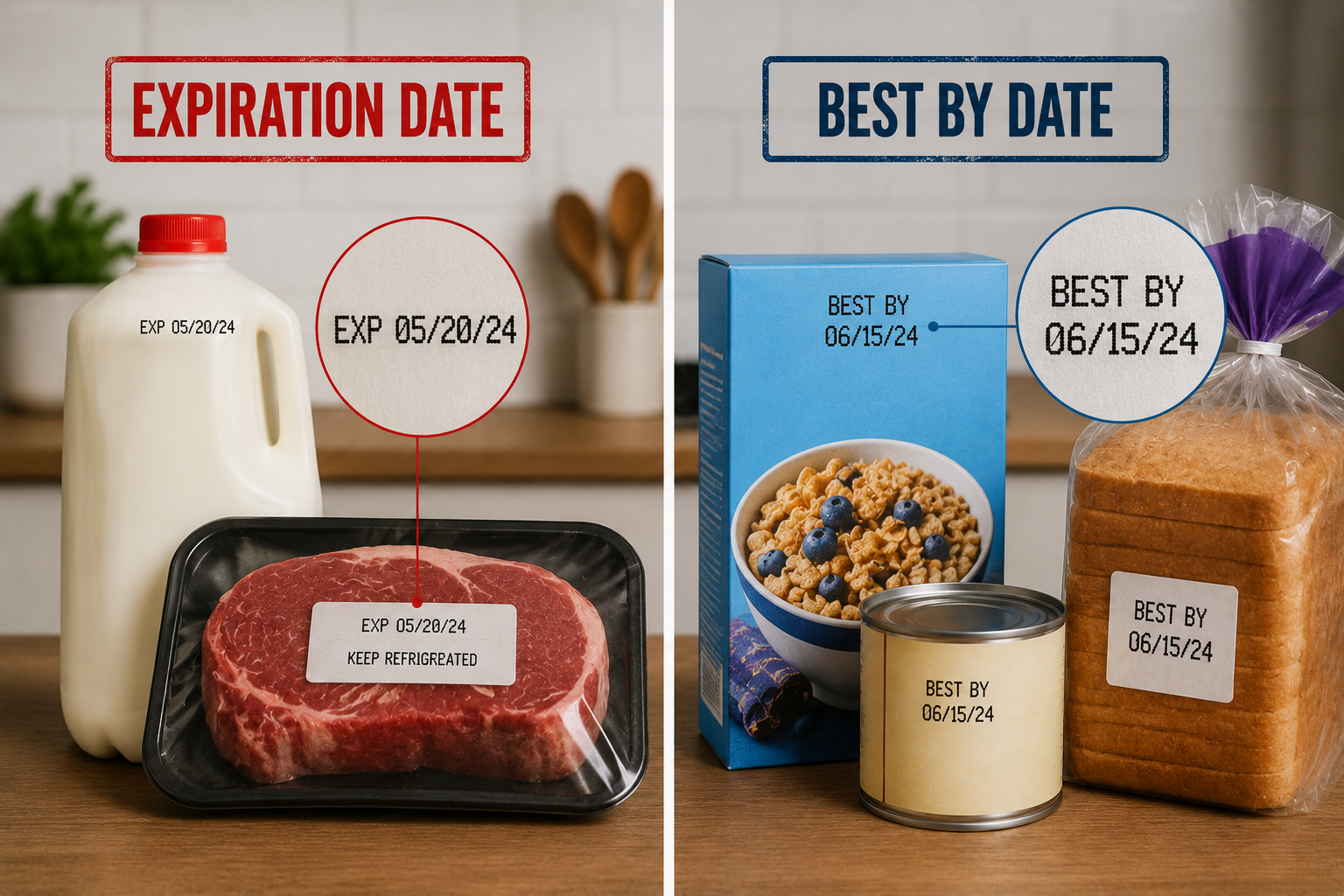
Expiration dates are more than just numbers on a package. They indicate the last date on which a product is safe to eat. Manufacturers establish these dates after extensive testing. Taste, texture, and nutritional value are the most important factors in determining when food is no longer safe to consume.
For perishable products such as meat or cheese, shelf life is crucial. Eating spoilt food can pose serious health risks. But remember: past the expiration date does not mean the food is immediately spoilt. Many factors influence how long after the expiration date a product remains safe to eat. By understanding the meaning of expiration dates, consumers can make informed purchasing decisions and effectively reduce waste.
How do you interpret “best before”?
The meaning of “best before” is not always clear. They often appear on various food products, but this does not necessarily mean the food is still healthy. These labels indicate when the food is best consumed. Past the “best before” date does not necessarily mean the food is spoilt. Provided it is stored properly, many foods remain safe and tasty, even after the expiration date.
When people realise that ‘best before’ relates more to taste than to safety, they can make more informed choices. A pack of breakfast cereal may taste stale after the expiration date, but eating it after that is not harmful to your health. There are three main ways to determine if food is still safe to eat: smell, see, and taste. By trusting your intuition, you can enjoy your food longer than you expect and prevent waste.
How do you determine if food is still safe to eat?
Use your senses to determine if food is still safe to eat. First, check the appearance of the food. Look for mould or abnormal colour changes. Next, smell it. If the food smells strange or looks spoilt, it is best to throw it away. Your nose can even sense if food is spoilt before you see it. Changes in the texture of food can also indicate spoilage. For example, sticky meat or vegetables that are too moist are warnings.
Additionally, check the packaging for leaks to prevent bacteria from entering. Check the expiration date of the food and ensure that it has been stored at the correct temperature. If you have doubts about the quality of canned food, tap the can gently. If the can bulges or makes an unusual sound when opening, do not eat it. When assessing food quality, safety is always more important than waste.
Common Misconceptions About “Best Before” and “Expiration Date”
Many people confuse “expiration date” with “best before”. A product’s “expiration date” indicates when it is no longer safe to eat. This is especially important for perishable products such as meat and cheese. The “best before” date, on the other hand, refers to the quality of the food, not its safety. After this date, you may still be able to eat the food, but it may not taste as fresh as it did immediately after the expiration date.
Another common misconception is that all food must be thrown away immediately after the “expiration date”. In fact, many foods can last longer than indicated on the label, provided they are stored correctly. Some people think canned or frozen food does not spoil, but these products spoil over time if not stored properly or if the packaging is damaged. Understanding these details will help you better determine how much food you eat and how to reduce food waste.
What are the environmental impacts of throwing away “expired” food?
Throwing away food that is past its expiration date exacerbates global waste. People throw away enormous quantities of food that they could have used to feed animals, releasing methane during decomposition. Methane extracts heat from the atmosphere and worsens climate change. When edible food ends up in the trash, we waste the water, energy, and labour invested in its cultivation. Ironically, high-quality food is thrown away every day, while people all over the world are suffering from hunger.
This behaviour also puts pressure on already vulnerable ecosystems. When we carelessly throw away food, the carbon footprint of food production increases the pressure on natural habitats. Understanding food shelf life can solve this problem. If we truly understand what these terms mean, we can make better choices about which food to keep and which to throw away. The world can be significantly impacted by small changes in behaviour over time.
How to store food properly and extend shelf life
The right way to store food has a major impact on shelf life. First, clean out your refrigerator and pantry. Place food with a longer shelf life at the front so that you consume it first. Temperature control is crucial. For most perishable foods, the optimal temperature is between 0°C and 4°C. To prevent spoilage, the temperature in your refrigerator must remain constant. Use airtight packaging for dry products such as breakfast cereals and oatmeal. This prevents moisture from entering and allowing insects and mould to infest your snacks.
Please remember to wrap meat and cheese properly—do not use plastic wrap; instead, use greaseproof paper or aluminium foil. This allows them to ‘breathe’ and stay fresh for longer. You can vacuum-pack leftovers before freezing them. This keeps food fresh and prevents freezer burn. Always label all frozen products with the expiration date to ensure they are consumed before it!
Conclusion
In short, understanding the difference between an expiration date and a best-before date helps you make more informed choices. Awareness can help people reduce food waste, save money, and protect the environment. When shopping, don’t just look at the name. Trust your eyes, nose, and mouth—they can often tell you if a product is still fresh. By learning proper storage methods, you can extend the shelf life of food. An organised pantry helps you remember which products to consume first.
Reflecting on your actions extends the shelf life of food and contributes to a healthier world. Every decision we make has a significant impact and reduces the amount of food that ends up in landfills. Staying well-informed helps create a better future.

Hannah is a home and kitchen writer who focuses on practical cooking, meal prep, food storage, appliance care, and everyday kitchen organization. She enjoys sharing realistic tips that help make busy home routines feel simpler and less stressful. Through experience-based articles and easy-to-follow advice, Hannah aims to help readers save time, reduce food waste, organize their kitchens more efficiently, and feel more confident managing daily cooking and household tasks.